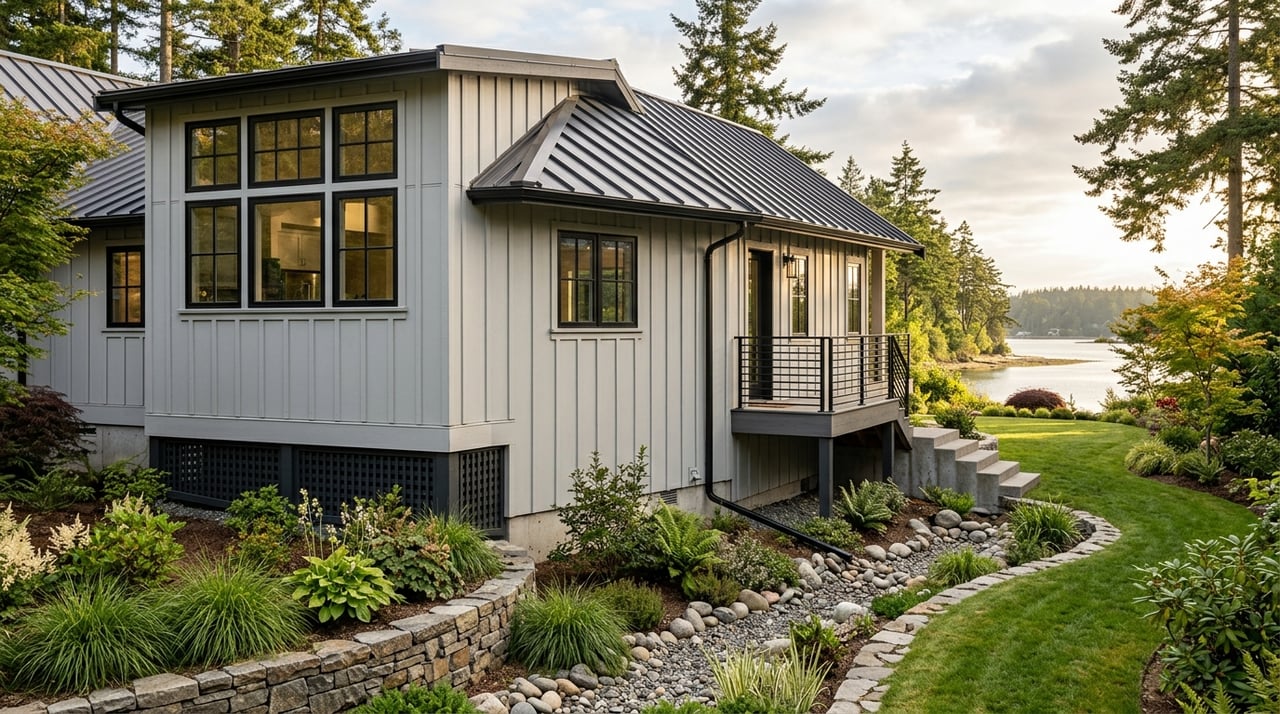
Shopping for a home near the water in Scottsboro can feel exciting and a little complicated at the same time. You may picture morning lake views, easier access to boating or fishing, and a property that fits the way you want to live, but waterfront and near-water homes come with extra details that matter. If you are thinking about buying near Lake Guntersville or the Tennessee River, this guide will help you compare your options, ask better questions, and move forward with more confidence. Let’s dive in.
Why Scottsboro Draws Water Buyers
Scottsboro sits next to both the Tennessee River and Lake Guntersville, which gives you access to one of Northeast Alabama’s best-known water-focused lifestyles. The area is tied closely to outdoor recreation, and Jackson County includes 53 miles of shoreline and 17 public access points along the river, according to the Tennessee RiverLine community overview.
The lake itself is also substantial. The TVA says Guntersville Reservoir includes 67,900 acres of water surface and nearly 890 miles of shoreline, which helps explain why so many buyers look here for boating, fishing, and year-round water views.
Compare Waterfront Home Types
Not every home near the water gives you the same experience, costs, or responsibilities. In Scottsboro, the smart move is usually to compare direct waterfront, lake-view, and near-water interior homes based on how you actually plan to use the property.
Direct waterfront homes
A direct waterfront home may offer private shoreline access and a more immediate lake lifestyle. That can be appealing if you want to spend a lot of time on the water or you value being able to walk straight to the shoreline from your property.
At the same time, these homes often require more review. Dock permits, shoreline work, topography, drainage, and flood exposure all deserve a closer look before you buy.
Lake-view homes
A lake-view home can give you the scenery without all the responsibilities of direct shoreline ownership. If your top priority is the setting, this can be a strong middle-ground option.
You may still want to confirm how protected the view is and how close you are to public water access. A great view and easy launch access can still support the lifestyle you want.
Near-water interior homes
A few blocks inland can sometimes be the most practical choice. You may give up private shoreline access, but Jackson County’s public access network can still make boating and lake recreation convenient.
This option may appeal to buyers who want to stay closer to the water without taking on every shoreline-related issue. It is often worth comparing these homes side by side with direct waterfront properties before deciding.
Know the Difference Between "Near Water" and "Usable Shoreline"
One of the biggest mistakes buyers make is assuming that a waterfront label means easy private use of the shoreline. In reality, what matters is not just proximity to the water, but whether the parcel supports the use you have in mind.
If you want a dock, boathouse, steps, shoreline stabilization, or even certain types of cleanup, those questions need clear answers early. The TVA says many shoreline structures and alterations on TVA reservoirs require approval, including residential docks, piers, boathouses, walkways, shoreline stabilization, and vegetation removal.
Review Permits Before You Fall in Love
When you shop for a waterfront or near-water property, permit history matters almost as much as the home itself. A beautiful lot may not work the way you expect if key improvements were never approved or cannot be transferred.
TVA notes that existing docks are not automatically transferred when a property sells. New owners must contact TVA within 60 days of buying waterfront property, and some shoreline projects may also need state water-quality approval before TVA can issue its permit.
Ask for these records
Before you move too far into a purchase, ask whether the seller can provide:
- Surveys n- Existing dock or shoreline permits
- Floodplain-related documents
- Site plans
- Records for shoreline stabilization or vegetation work
- Any past building or improvement paperwork tied to the lot
These records can help you understand what already exists, what was approved, and what may need follow-up.
Check City vs. County Rules
In the Scottsboro area, where a property sits can change the rules that apply. That is why one of the first questions to ask is whether the home is inside Scottsboro city limits or in unincorporated Jackson County.
The City of Scottsboro Building Department requires a licensed-surveyor plot plan and building plans for permits. The city’s zoning process also calls for site information such as streams, rivers, lakes, wetlands, flood hazard boundaries, buffer areas, and topography.
Jackson County handles things differently outside municipal jurisdiction. According to the county guidance referenced through Scottsboro’s local permitting information, the county does not require general building permits or zoning outside municipalities, but it does maintain a flood plain development permit process, and work cannot begin until that permit is issued when required.
Put Flood-Zone Research Early
If you are shopping near the water, flood-zone research should happen early, not after you are emotionally attached to a property. Flood insurance, lender requirements, and future ownership costs can all be affected by the home’s location on the map.
FEMA’s Flood Map Service Center is the official public source for flood-hazard maps. FEMA also states that flood insurance is a separate policy, and the Alabama Department of Insurance says standard home policies do not cover flood damage.
Why this matters for your budget
If a home is in a Special Flood Hazard Area, your lender may require flood insurance for most loans. That means a home with the right view may come with an added monthly or annual cost you need to understand before making an offer.
This does not always mean the home is a bad fit. It simply means you should price the full ownership picture, not just the purchase price.
Look Closely at Drainage and Moisture
Waterfront living is not only about the shoreline. Moisture management around the structure itself is just as important, especially in crawl spaces, basements, and lower elevations.
The EPA recommends fixing leaks quickly, cleaning gutters, grading soil away from the foundation, and keeping indoor humidity below 60 percent. The CDC also advises drying wet materials within 24 to 48 hours after flood exposure to help reduce mold risk.
Areas to pay attention to
As you tour homes near the water, pay attention to:
- Crawl spaces and basement conditions
- Signs of standing water or poor drainage
- HVAC placement and condition
- Window condensation
- Grading around the home
- Gutters and downspouts
- Any signs of past moisture damage or musty odors
These details may sound small during a showing, but they can have a big impact on long-term upkeep.
Think Beyond the House
A near-water purchase is really three decisions in one: the house, the lot, and the shoreline relationship. You want all three to support your goals.
That means looking at topography, access to the water, existing improvements, drainage patterns, and how you plan to use the property over time. Scottsboro’s building requirements specifically reference site conditions like topography and flood hazard boundaries, which tells you how important those factors are in this type of purchase.
Questions to Ask Before You Offer
If you want to shop smart, carry a short list of practical questions into every showing and every conversation. Clear answers can save you time, money, and stress later.
Ask these early
- Is the property inside Scottsboro city limits or in unincorporated Jackson County?
- What does the official FEMA flood map show for this address?
- Will flood insurance likely be required by the lender?
- Is there an existing dock, pier, or boathouse?
- Was that shoreline feature properly permitted?
- If there is a dock, what does TVA require for ownership transfer?
- Has any shoreline stabilization or vegetation work been done?
- Are there surveys, permit records, or floodplain documents available?
- How does the lot drain after heavy rain?
- If you want to add or change shoreline features later, what approvals would be needed?
A Simple Way to Shop Smarter
Buying near the water in Scottsboro does not have to feel overwhelming. The key is to slow down, compare property types honestly, and verify the details that affect how you can actually use the home.
If you want a place near Lake Guntersville or the Tennessee River, it helps to work step by step. Start with your lifestyle goals, review flood and permit questions early, and make sure the property fits both your vision and the practical side of ownership.
If you are ready to explore homes near the water in Scottsboro, Ryan Doolittle can help you sort through the details with clear communication, honest guidance, and a process that keeps you informed from showing to closing.
FAQs
What should you compare when shopping for a home near the water in Scottsboro?
- Compare direct waterfront, lake-view, and near-water interior homes based on access, upkeep, flood exposure, and how you plan to use the property.
What permits matter for Scottsboro waterfront properties?
- Permits tied to docks, piers, boathouses, shoreline stabilization, steps, walkways, and vegetation work can matter, and TVA approval is often required for shoreline-related changes on TVA reservoirs.
What flood insurance should you expect for a Scottsboro near-water home?
- Flood insurance is separate from homeowners insurance, and if the property is in a Special Flood Hazard Area, your lender may require it for most loans.
What is the official way to check a Scottsboro home’s flood zone?
- Use FEMA’s Flood Map Service Center, which is the official public source for flood-hazard map information.
What should you inspect for moisture issues in a near-water Scottsboro home?
- Pay close attention to crawl spaces, basements, drainage, gutters, grading, HVAC equipment, window condensation, and any visible signs of past water intrusion.
What local rule should you confirm before buying near the water in Scottsboro?
- Confirm whether the property is inside Scottsboro city limits or in unincorporated Jackson County, because that can change which office handles building and floodplain issues.