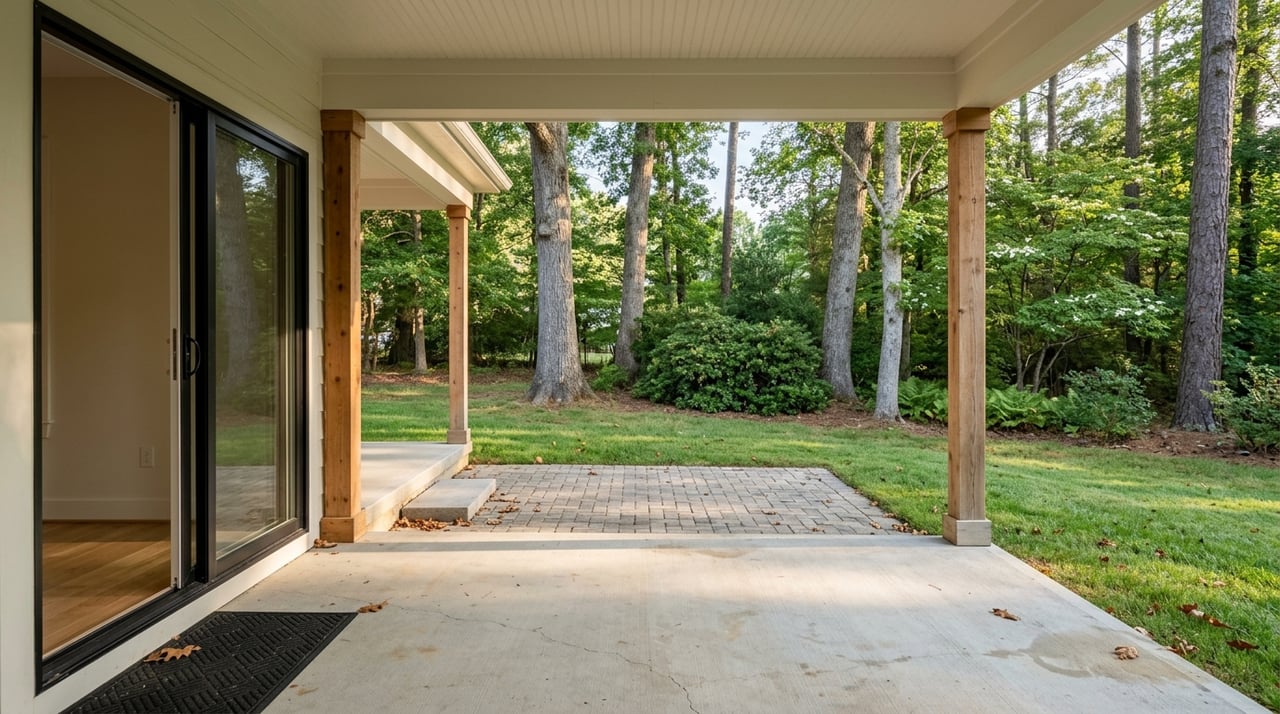
If you picture daily life in Fort Payne as just another small-town routine, the trailheads and waterfalls nearby may surprise you. Living here can mean an evening walk in town during the week and a scenic canyon drive or waterfall stop on the weekend. If you are thinking about buying in the area, it helps to understand how that outdoor access actually fits into everyday life. Let’s dive in.
Why Fort Payne Stands Out
Fort Payne sits in a compact outdoor corridor in northeast Alabama, with DeSoto State Park about eight miles northeast of town. The city also points residents toward both DeSoto State Park and Little River Canyon as major nearby outdoor destinations. That puts well-known trails, overlooks, and waterfalls close enough to become part of your normal rhythm.
This is not only about big weekend outings. Fort Payne also has in-town spaces like City Park, Alabama Walking Park, and Spring Grove Park for walking, play, and lower-effort outdoor time. That mix gives you options, whether you want a quick walk after work or a longer day outside.
Trails Near Fort Payne
For many buyers, the biggest lifestyle draw is how much trail access is packed into one area. DeSoto State Park alone offers more than 35 miles of hiking trails and more than 11 miles of mountain-bike trails. The park also includes an ADA-accessible boardwalk trail, which adds another way to enjoy the landscape.
The terrain around Fort Payne is not one-size-fits-all. Some trails are easier and better for a relaxed walk, while others are more strenuous and suited for a longer hike. That range matters if you want outdoor access that can grow with your routines instead of feeling limited to one kind of activity.
DeSoto State Park Access
DeSoto State Park is the core hiking asset for the Fort Payne area. Its trail system includes forest paths, views along the West Fork of Little River, and seasonal waterfall areas. For residents, that means you are not relying on one short trail or one scenic stop. You have a broader network to come back to throughout the year.
Because the park is so close, it supports the kind of outdoor lifestyle that feels practical. You do not have to plan a major trip every time you want to get outside. A shorter hike, a quick overlook stop, or a half-day outing can fit into a normal weekend.
Little River Canyon Options
Little River Canyon National Preserve offers a different kind of outdoor experience. The preserve includes an 11-mile scenic drive with eight overlooks, open daily from sunrise to sunset with no fee. It also has easier trails near the Little River Canyon Center and Little River Falls, plus steeper canyon descents for people who want more of a challenge.
That gives Fort Payne residents variety. Some days, you may want a drive with several scenic stops. Other days, you may want a trail that gets you closer to the canyon itself.
Connected Trail Landscape
One of the most useful things to know is that these outdoor areas are connected, not isolated. The DeSoto Scout Trail is the longest trail in the preserve and links Little River Canyon National Preserve with DeSoto State Park through the backcountry. That connection helps explain why people often think of this whole area as one shared recreation landscape.
For you as a buyer, that matters because it speaks to the broader lifestyle, not just one destination. Living in Fort Payne can place you near a network of outdoor spaces instead of a single attraction.
Waterfalls and Seasonal Changes
Waterfalls are a major part of the appeal around Fort Payne, but seasonality matters. DeSoto State Park notes that waterfalls and streams are usually strongest in spring, late fall, and winter. In summer, many are lower, and some may be dry.
That seasonal shift shapes how locals experience the same places. In cooler months, you may see fuller waterfall flow and stronger stream movement. In summer, you may notice lower water, more exposed sandstone, and easier access around river edges and swimming-hole areas.
Best Seasons for Waterfall Views
If waterfalls are high on your wish list, spring, late fall, and winter are generally the strongest seasons. DeSoto Falls typically has higher water in winter and early spring, then much lower flow in summer and fall. Little River Falls follows a similar pattern, with fuller water in winter and spring and lower flow in summer and fall.
Grace’s High Falls is also seasonal and depends on rainfall. That means the best viewing window can change from year to year. If you are touring the area with lifestyle in mind, it helps to visit in more than one season if possible.
Everyday Outdoor Living in Town
A big part of Fort Payne’s appeal is that outdoor living does not have to mean a full hike every time. The city’s parks create easier options for daily routines. Places like City Park, Alabama Walking Park, and Spring Grove Park support walking, play, and simple time outside.
That matters if you want balance. You might spend Saturday exploring a canyon overlook, then keep Sunday simple with a short walk close to home. For many people, that kind of flexible outdoor access is what makes an area feel livable long term.
What Weekend Life Can Look Like
Popular outdoor spots around Fort Payne can shape your schedule a bit. The National Park Service says the Little River Falls parking lot often fills by 11:00 a.m. on late spring and summer weekends. That often encourages earlier starts, especially during warmer months.
Road conditions matter too. The Little River Canyon Rim Parkway is a narrow road with sharp turns and no shoulders, so planning ahead is important. For residents, this becomes part of the local rhythm rather than a drawback. You learn when to go, what season brings fuller water, and which outings work best for the day you have.
Homes That Fit the Lifestyle
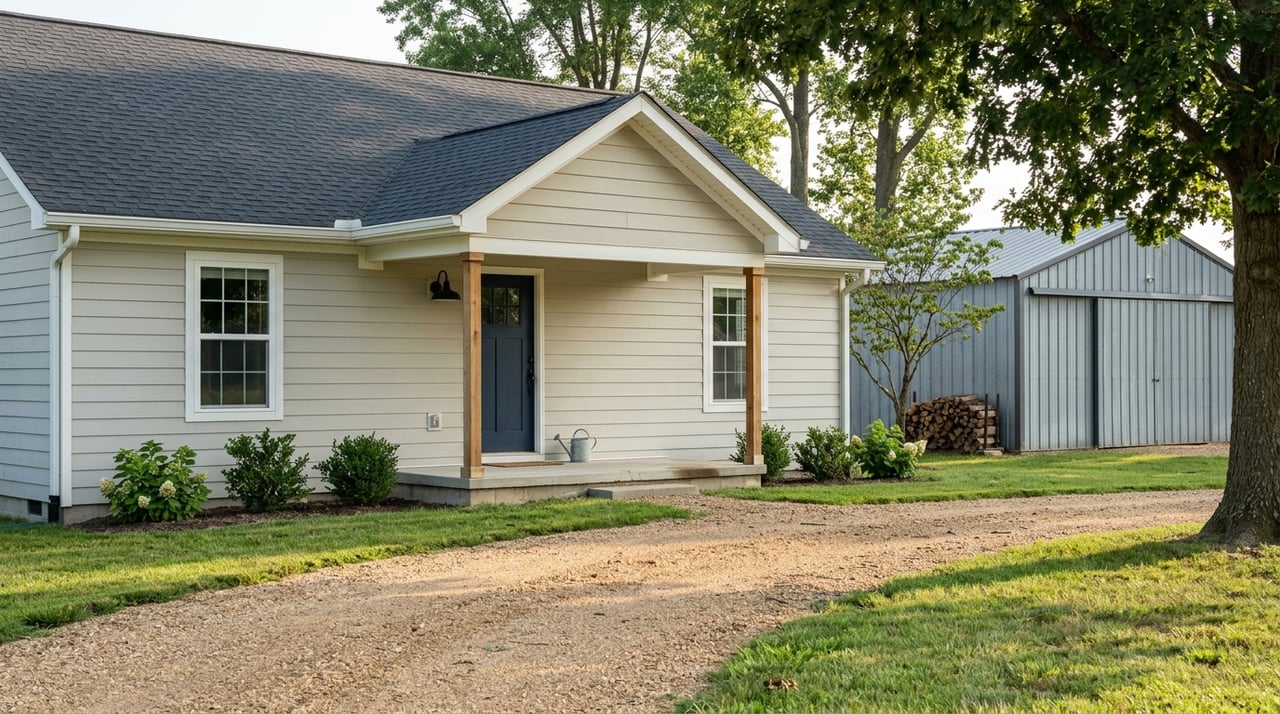
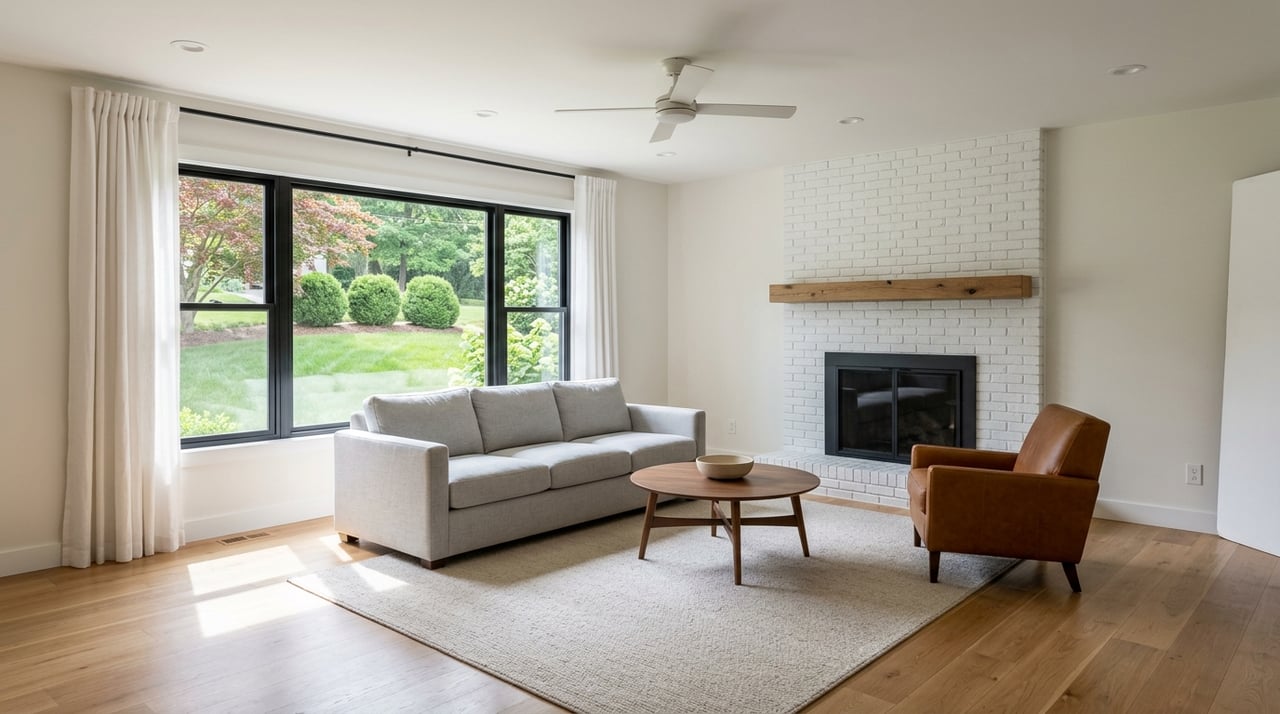
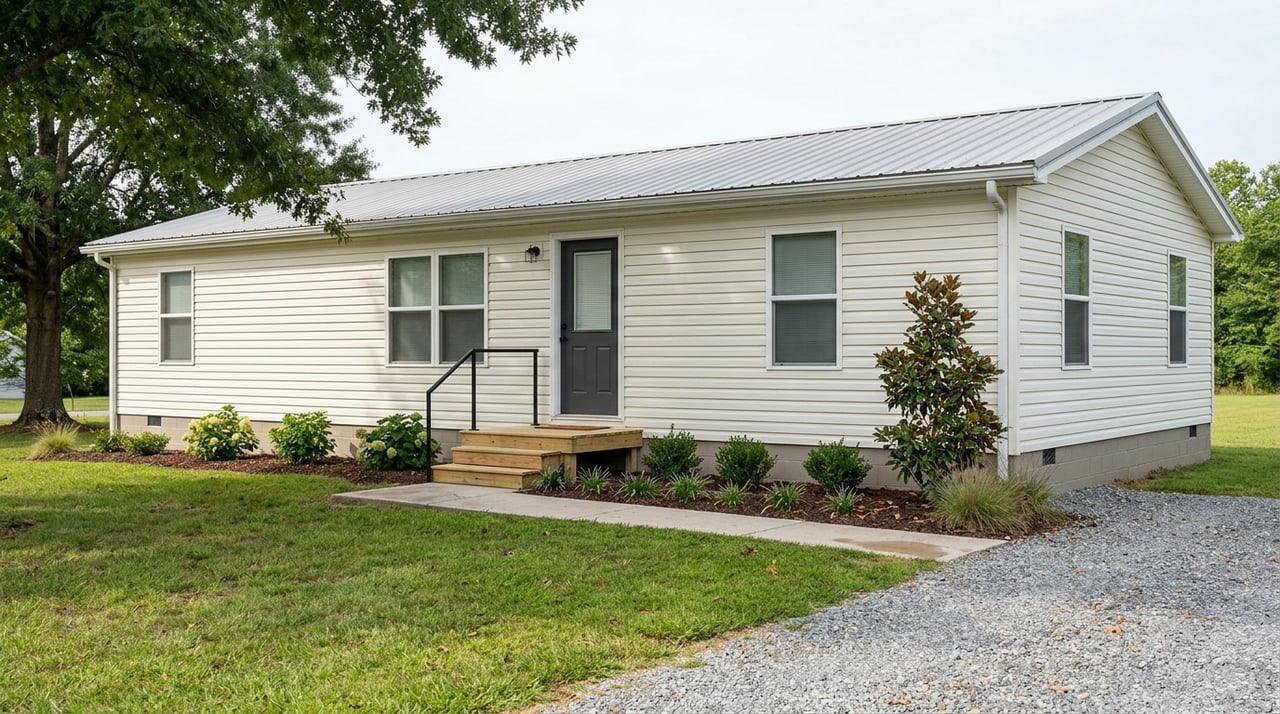
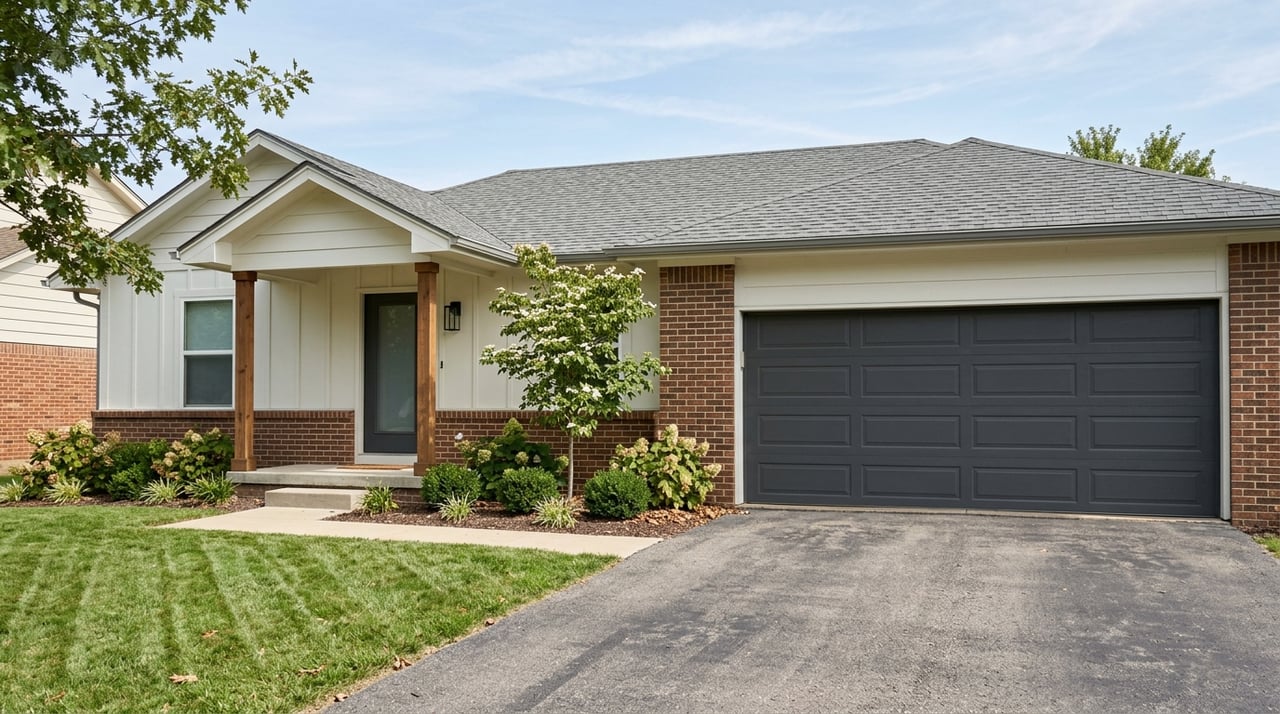
If you are wondering what housing looks like in Fort Payne, the market is mostly made up of detached homes. Census Reporter shows that 75% of housing structures are single-unit, and 69% of homes are owner-occupied. In plain terms, this is a market where single-family living is the norm.
That does not mean every property feels like a cabin in the woods. Fort Payne includes a broad mix of smaller in-town houses, detached homes on regular lots, and properties where extra privacy or quicker trail access may matter more to a buyer. The outdoor setting is a lifestyle advantage, but it fits into a fairly ordinary local housing market.
Price Range in Plain English
Housing costs can vary by location, lot size, and condition. The Census Bureau lists the median value of owner-occupied housing units at $157,000, while more recent market snapshots put home values and sale prices in the low $200,000s. Active asking prices can reach into the high $200,000s.
The clearest takeaway is that Fort Payne offers a range. If you are buying, it helps to think about how much value you place on in-town convenience, outdoor access, lot size, and property condition. Those details can shape both your price point and your day-to-day experience.
Who This Lifestyle Fits Best
Living near trails and waterfalls can appeal to more than one kind of buyer. It may fit a first-time buyer who wants a detached home in a town with easy access to outdoor spaces. It may also fit someone looking for a property that supports a quieter pace and more time outside.
If you are considering land or a home with more privacy, Fort Payne’s location within the broader Northeast Alabama landscape may also be worth a closer look. The key is not just finding a house. It is finding a property that fits the way you want to spend your time.
How to Evaluate Fort Payne as a Buyer
If Fort Payne is on your list, try to look at it through both a housing lens and a lifestyle lens. Tour neighborhoods, but also pay attention to drive times, trail access, and what daily routines might feel like. A home can look great on paper and still feel off if it does not match how you want to live.
A few smart things to consider include:
- How close you want to be to in-town parks and walking spaces
- Whether you prefer quicker access to DeSoto State Park or canyon overlooks
- How much lot size, privacy, or lower-maintenance living matters to you
- What season you are visiting, especially if waterfalls are part of the appeal
- Whether your budget fits current sale prices in the low $200,000s or active listings that may run higher
When you view Fort Payne this way, the area starts to make more sense. You are not just buying near scenery. You are choosing how outdoor access fits into your everyday life.
If you are exploring Fort Payne because you want a home, land, or investment property that truly fits your lifestyle, working with a local guide can make the process feel much more straightforward. If you want help sorting through options in Fort Payne and across Northeast Alabama, connect with Ryan Doolittle for clear, honest guidance.
FAQs
What is outdoor living like in Fort Payne, Alabama?
- Outdoor living in Fort Payne can include both everyday in-town walking spaces and quick access to major destinations like DeSoto State Park and Little River Canyon.
How close is DeSoto State Park to Fort Payne?
- DeSoto State Park is about eight miles northeast of Fort Payne, which makes it a convenient option for regular hikes and weekend outings.
What trails are near Fort Payne for hiking?
- Trails near Fort Payne include more than 35 miles of hiking trails at DeSoto State Park, easier paths near Little River Falls, and steeper canyon routes in Little River Canyon National Preserve.
When are waterfalls best near Fort Payne?
- Waterfalls near Fort Payne are usually strongest in spring, late fall, and winter, while summer often brings lower water flow and drier conditions at some falls.
What types of homes are common in Fort Payne?
- Fort Payne is mostly a detached-home market, with single-unit housing making up the majority of the city’s housing stock.
Are Fort Payne home prices affordable?
- Fort Payne home prices vary, but recent value and sale snapshots are generally in the low $200,000s, while some active listing prices can reach the high $200,000s.